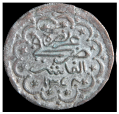
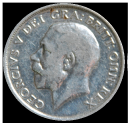
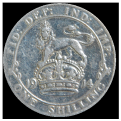
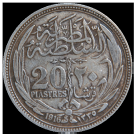
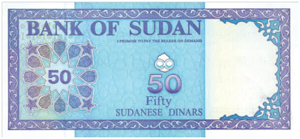
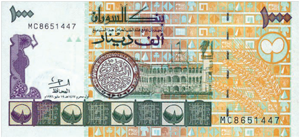
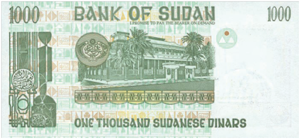
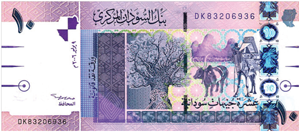
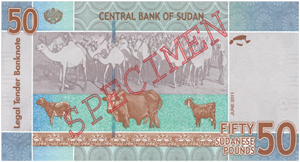
The Currency Museum of the Central Bank of Sudan is a historical, cultural and religious beacon for the Republic of Sudan

The Currency Museum at the Central Bank of Sudan is considered a historical, cultural and religious beacon for the Republic of Sudan, and a new tributary of the country’s cultural, economic, financial and monetary tributaries throughout the ages. The currency refers to the developmental stages of Sudanese coins and paper money.

The establishment of the Currency Museum came to perpetuate the memory of the most important historical periods that the Sudanese currency went through, which represents a rich collection of information extending back to previous centuries of the history of the Sudanese currency, through which we contemplate and contemplate our history and our ancient past, and measure our present against it, recognizing any deficiency - God forbid -,
 We gather our forces to preserve history, adding to it our glorious present.

And in the year 2011, specifically on the twelfth day of March, the Sudanese Currency Museum was inaugurated at the Central Bank of Sudan by Dr. Saber Mohamed Hassan, Governor of the Central Bank of Sudan at the time, and the museum contains rare national and commemorative coins that express the stages of currency development through works Various art, medals, symbols, coins and banknotes that were used in commercial exchange operations. The museum also contains a collection of pieces and paper currencies that were circulated during the Ottoman Caliphate and the era of the Mahdist revolution until our modern present.

In order to preserve this historical legacy, the Central Bank of Sudan worked hard to establish and establish a currency museum to be a beautiful and expressive reflection to reveal the economic history of this benevolent country.

Sudan Currency Time Periods

Turkish-Egyptian era 1821 – 1881

  • The first currency used in Sudan during the Turkish era was the Majidi riyal.
  • The currencies in the Turkish era were a mixture of Egyptian and English currencies such as the gold pound, the Majidi riyal, the Austrian riyal and some French currencies. He also traded some coins Ottoman Egyptian with small denominations of the loan
  • In the areas of Al-Anqasna and Al-Dinka, gold ore was used in the trade exchange.
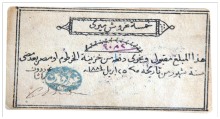
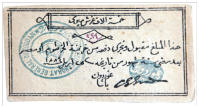
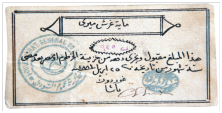
  • During the siege of Khartoum "1884" there was a scarcity of Sudanese currency and the English General Gordon issued banknotes bearing his name and disposed of in the government treasury in Sudan and Egypt.

coin.gif

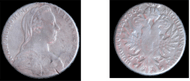
(Maria Theresa) - struck in Austria in 1741 AD | Silver - Weight 26.7 grams - Diameter: 3.9 cm

Coins in the era of the English

  • five piasters
  • ten piasters
  • twenty piasters
  • one hundred piasters miri
  • five hundred piasters miri
  • two thousand piasters miri
  • two thousand and five hundred piasters miri
  • five thousand piasters miri

1r2c.png3r2c.png2r2c.png

3r1c.png2r1c.png1r1c.png

Coinage in the Mahdiya Period

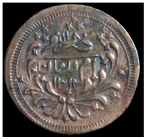
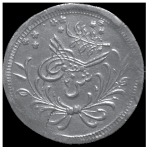
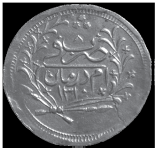
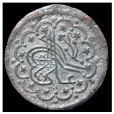
  • Dealing with the Riyal continued with the currency during the era of the Mahdiya state (1881-1898), when it was the prevailing currency in Sudan.
  • Imam al-Mahdi issued the first purely Sudanese currency in the year 1885 AD, and it was divided into three denominations: “the gold pound, the silver riyal and half the riyal.” These denominations were struck in the city of Omdurman and Dar al-Hijrah.
  • When Caliph Abdullah Al-Ta'ayshi assumed power to succeed Al-Mahdi, he found a great shortage of these currencies, so he used pieces of Damour cloth with a value of ten, two, and one and a half piasters as acceptable currencies in circulation. After these coins got dirty from the cloth, the caliph al-Ta'ashi issued an order to stop using them and issued a new coin called "acceptable".
  • During the reign of the Fur Sultanate, Sultan Ali used the "Qirsh Radina" dinar, which was struck in El Fasher, and he also used the "Furawiya Tarinah" coin, which is a tin ring, and "Tonganih" and also "Takaki" in the local Fur language.

20-piaster-1.png20-piaster-2.png

(20 piaster denomination) - struck in Omdurman in 1310 AH - 1892 AD Metal: Silver - Weight: 20.4 grams - Diameter: 3.5 cm (20 piaster) - Minted in Omdurman 1310H-1892 A.D. Silver - Weight: 20.4 gm - Diameter: 3.5 cm

20-piaster-3.png20-piaster-4.png

(20 piasters) - minted in Omdurman in 1312 AH - 1894 AD
Metal: Copper - Weight: 19.1 grams - Diameter: 3.4 cm
(20 piaster) -Minted in Omdurman 1312H-1894 A.D)
Copper - Weight: 19.1 gm - Diameter: 3.4 cm

20-piaster-5.png20-piaster-6.png

It was struck in El Fasher 1328 A.H. - 1918 A.D
Metal: plated brass - Weight: 5.2 grams - Diameter: 2.3 cm
Minted in Elfashir 1328H-1918 A.D
Copper - Weight: 5.2 gm - Diameter: 2.3 cm

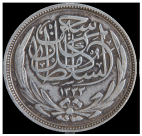
Coins in the era of the Condominium

The prevailing currencies during the condominium period were the Egyptian and English currencies

1-shilling-2.png1-shilling-1.png

Denomination: 1 shilling - 1914 AD. Metal: Nickel
Diameter: 2.3 cm - Weight: 5.6 grams
(1 Shilling - 1914) (Nickel) - Diameter: 2.3 Cm
Weight: 5.6 grams

1-shilling-3.png1-shilling-4.png

Denomination: 20 piasters - 1916 AD - Metal: Silver
Weight: 27.6 grams - Diameter 4.0 cm
20 Piasters -1916 (Silver) Diameter: 4.0 cm
Weight: 27.6 grams

1-shilling-5.png1-shilling-6.png

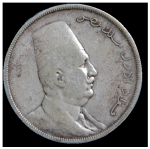
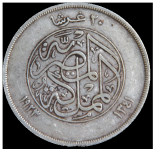
Denomination: 20 piasters - the era of King Fouad
First 1923 AD Metal: Silver -
Weight: 27.7 grams. Diameter: 4.0 cm
20 Piasters - 1923 (Silver) Diameter: 4.0 cm
Weight: 27.7 grams

1-shilling-7.png1-shilling-8.png

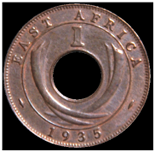
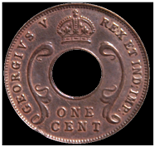
Denomination: 1 cent - King George's Era
5th 1935 AD - Metal: Copper -
Weight: 1.9 grams, Diameter: 3.0 cm
1 cent - 1935 (copper) - Diameter: 3.0 cm
Weight: 1.9 grams

1-shilling-9.png1-shilling-100.png

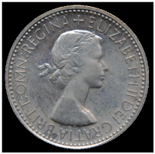
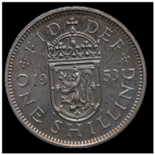
Denomination: 1 shilling - the reign of Queen Elizabeth 1953 AD
Metal: Nickel - Weight: 2.7 cm - Diameter: 7.7 grams
1 Shilling - (1953) - (Nickel) - Diameter: 2.7 Cm
Weight: 7.7 grams

Coins during the independence period 1955

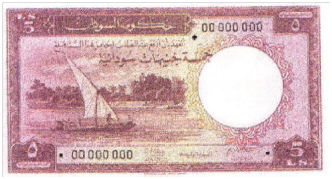
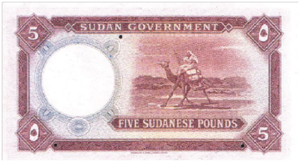
In July 1955 AD, the first paper currency was printed in Sudan, with the signature of the leader Ismail Al-Azhari and the Prime Minister Hammad Tawfiq - Minister of Finance

Currencies after independence

  • In September 1956, the government collected all the Egyptian and English currencies and handed them over to the Egyptian government.
  • In 1956, the Sudanese Currency Committee issued coins and banknotes.
  • In the year 1960 AD, the Central Bank of Sudan was established and it had the right to issue currency according to the text of the Establishment Law.
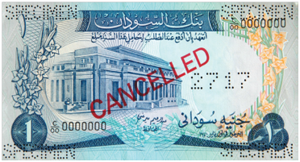
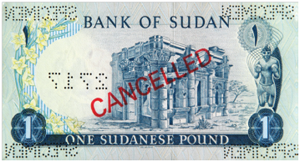
  • In the year 1970 AD, the currency was changed for technical reasons to introduce modern technical means in printing to avoid forgery.
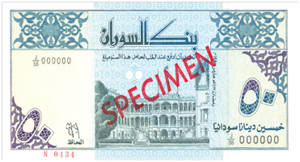
  • In 1992, the new dinar currency was issued and circulated alongside the pound.
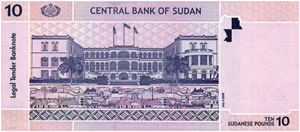
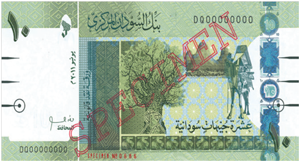
  • In the year 2007 AD, the currency was changed to the Sudanese pound denomination and the dinar denomination was abolished.
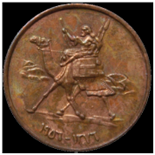
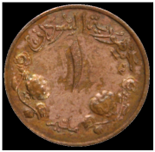
 1-millieme-1.png1-millieme-2.png

Denomination: 1 millimeter - 1956 AD - Metal: Bronze
Diameter: 1 cm - Weight: 1.5 g
1 Millieme - (1956) - (Bronze) - Diameter: 1.0 Cm
Weight: 1.5 Gram
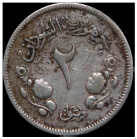
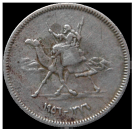
1-millieme-4.png1-millieme-3.png

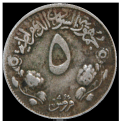
Denomination: 2 piasters - 1956 - Metal: Copper, Nickel
Diameter: 1.5 cm - Weight: 2 grams
2 Piaster - (1956) - (Copper, Nickel ) - Diameter: 1.5 Cm
Weight: 2.0 Gram
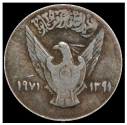
1-millieme-6.png1-millieme-5.png

Denomination: 5 piasters - 1971 AD - Metal: Copper, Nickel
Diameter: 2.3 cm - Weight: 3.1 grams
5 Piasters- (1971) - ( Cooper, Nickel )
Diameter: 2.3 Cm - Weight: 3.1 Gram
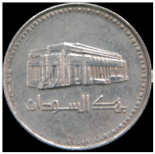
1-millieme-7.png1-millieme-8.png

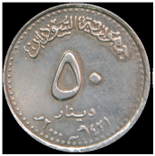
Denomination: 50 dinars - 2000 AD - Metal: Copper - Nickel
Diameter: 2.6 cm - Weight: 12 g
50 Dinars - ( 2000) - (Cooper, Nickel)
Diameter: 2.6 cm - Weight: 12.0 grams
1-millieme-9.png1-millieme-10.png

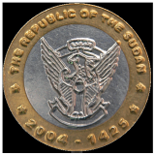
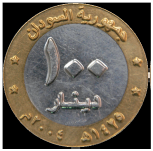
Denomination: 100 dinars - 2004 AD - Metal: Copper, Nickel
Diameter: 3.2 cm - Weight: 19.7 g
100 Dinars - (2004) - (Cooper, Nickel)
Diameter: 3.2 cm - Weight: 19.7 grams

Commemorative coins

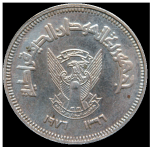
During the historical periods of the stages of development of the Sudanese currency industry, many commemorative coins were issued that document the specific time period.

50-piasters-2.png50-piasters-1.png

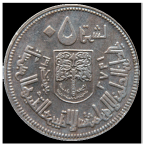
Denomination: 50 piasters - 1976 AD - Metal: Copper, Nickel
Establishing the Arab Authority for Agricultural Investment and Development
Diameter: 3.1 cm - Weight: 15.7 grams
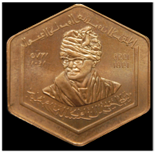
50 Piasters - (1978) Stabilization of
Arab Cooperative - (Cooper, Nickel)
Diameter: 3.1 Cm - Weight 15.7 Grams

50-piasters-4.png50-piasters-3.png

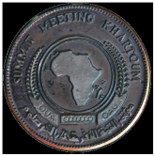
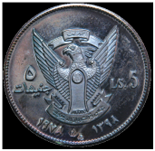
Denomination: 5 pounds - 197 8 m - Metal: Silver
ASC - Diameter: 3.0 cm
Weight: 17.5 g
5 Pounds - (1978) - Khartoum Meeting of O.A.U
(Silver) - Diameter: 3.0 Cm - Weight: 17.5 Gram

50-piasters-5.png50-piasters-6.png

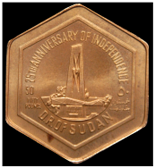
Denomination: 50 pounds - 1981 AD - Metal: Gold
Twenty-fifth Independence Day
Diameter: 1.9 cm - Weight: 8 g
50 Pounds - (1981) - 25th Anniversary of
Independence (Gold) - Diameter: 1.9 cm
Weight: 8.0 grams
1paper.png

2paper.png

5paper.png

3paper.png

4paper.png

6paper.png

7paper.png

8paper.png

9paper.png

10paper.png

11paper.png

12paper.png

13paper.png

14paper.png